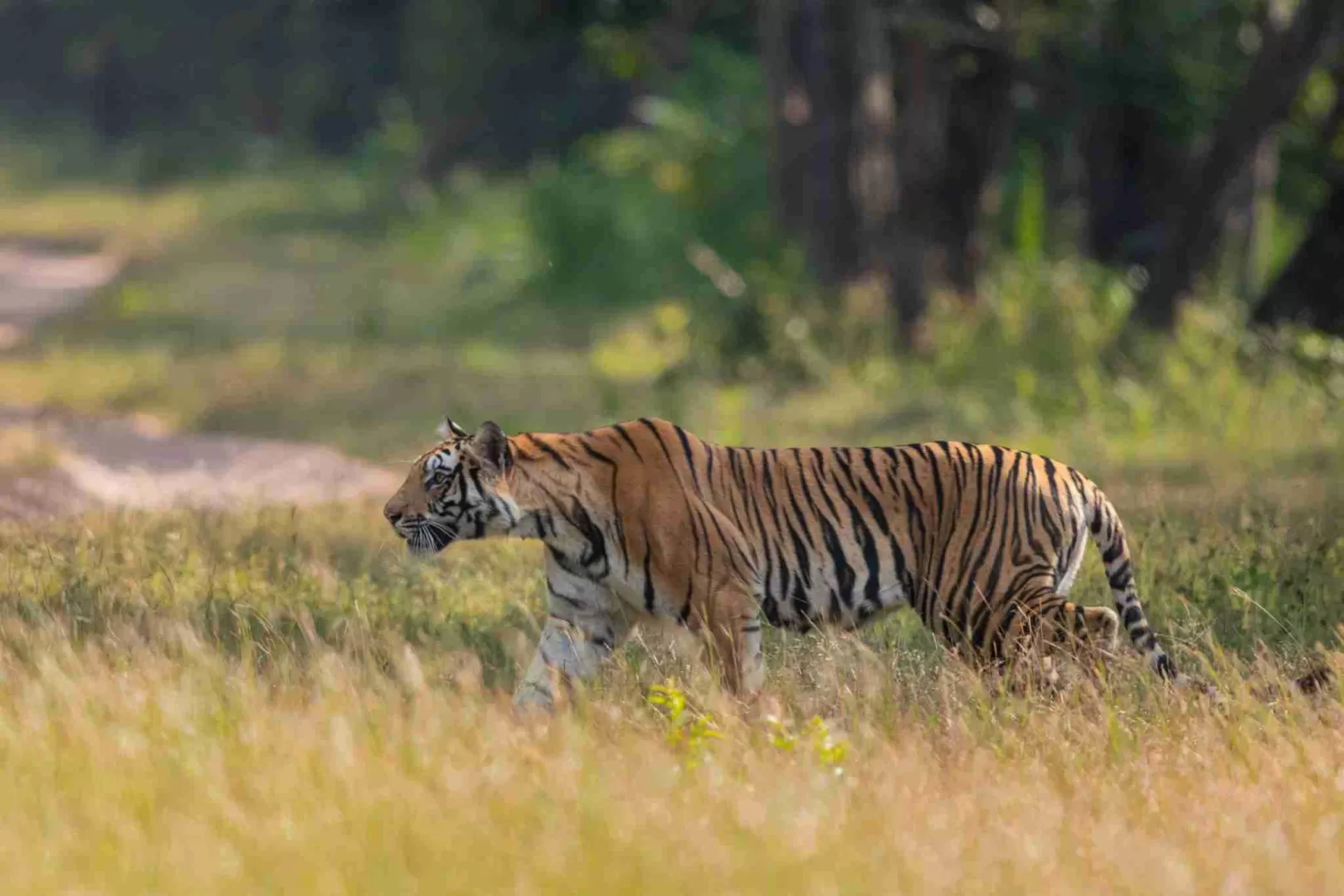
Planning tiger photography in Bandhavgarh? Here's the best time by season, the top zones — Tala, Magadhi, Khitauli — plus gear and field tips from the reserve.
Bandhavgarh has one of the highest densities of Bengal tigers anywhere on earth, which is exactly why it sits at the top of most wildlife photographers' India lists. But a high tiger density doesn't guarantee a great photograph. The difference between a fleeting glimpse through the sal trees and a clean, frame-filling portrait in beautiful light comes down to when you go, which zone you're allotted, and how ready you are when the moment arrives. This guide breaks down the season month by month, compares the reserve's core zones, and covers the gear and settings that consistently deliver.
If you only remember one thing, make it this: the reserve is open roughly from October to June, and the hotter and drier it gets, the better your tiger odds become. The classic tradeoff is comfort versus sightings — cool, green, comfortable months early in the season versus hot, dusty, high-probability months toward the end.
Why Bandhavgarh, and why timing decides everything
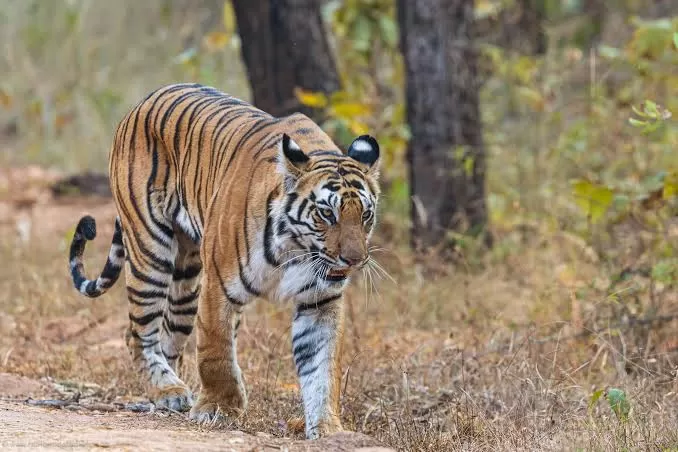
Bandhavgarh, in Madhya Pradesh, is a compact reserve with a formidable reputation. Its core tourism area is split into three zones — Tala, Magadhi, and Khitauli — and the terrain of meadows, sal forest, cliffs, and waterholes gives you varied, photogenic backdrops rather than endless flat grassland. Because the park is relatively small and the tiger population is dense, encounters can be intimate and repeatable across a multi-day trip.
Photography freezes what the heart refuses to forget.
The catch is that safari access is controlled. Core-zone permits are issued by the forest department on a limited, allotted basis, and you don't fully choose your zone — it's assigned. That's why the number of safaris you book and the season you pick matter so much: more drives across more days simply give you more chances for the light, the pose, and the zone to line up.
Month by month: when to go
October to November — The park reopens after the monsoon. The forest is lush and green, temperatures are pleasant, and the light is soft. Tiger sightings are good but not yet at their peak because water and prey are still widely dispersed, so tigers don't need to concentrate around fixed waterholes. This is the window for photographers who want comfortable conditions, green backgrounds, and fewer crowds. It is an excellent time for a workshop-paced trip where you're building skills as much as chasing a single sighting.
December to February — Winter. Cold mornings, beautiful golden early light, and dramatic mist over the meadows. Sightings are steady and the atmosphere is superb for mood and landscape-context tiger images. Pack warm layers — open gypsies at dawn in a Bandhavgarh winter are genuinely cold.
Photography freezes what the heart refuses to forget.
March to June — The hot, dry peak season for tiger sightings. As waterholes shrink, tigers become far more predictable around the remaining water, and encounters climb steeply. April to June offers the highest probability of quality sightings and action, at the cost of real heat and dust. If your single priority is maximizing tiger frames, this is the window — just come prepared for the temperatures.
July to September — The core zones close for the monsoon. Some buffer zones may stay open, but for serious core-zone tiger photography this is the off-season.
Choosing your zone: Tala, Magadhi, Khitauli
Tala is the historic heart of the reserve and generally the most sought-after zone, known for reliable sightings and iconic backdrops. If you can weight your safaris toward Tala, do it.
Photography freezes what the heart refuses to forget.
Magadhi is the other strong performer, with excellent tiger activity and open stretches that photograph well. Many regulars rate it alongside Tala.
Khitauli is typically the quietest of the three for tigers, though it has its own character and can surprise you.
Because zones are allotted rather than chosen, the practical move is to book enough safaris that you get a spread — ideally with several in Tala and Magadhi. A good operator will request your preferred zones, even though the final call rests with the forest department.
Reading the light and planning your drives
Photography freezes what the heart refuses to forget.
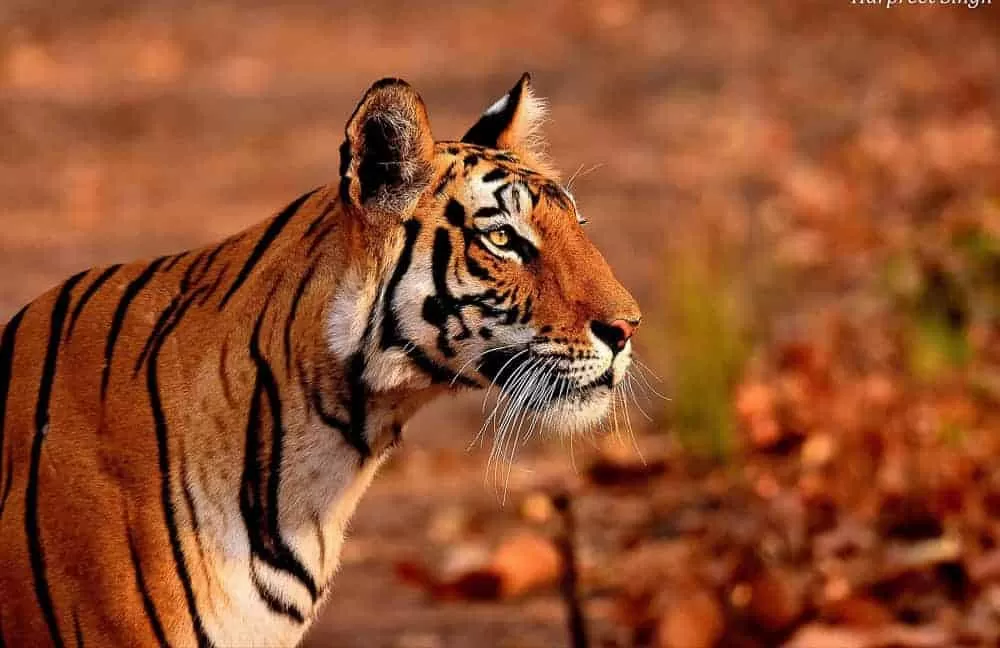
Bandhavgarh runs two safari sessions a day: a morning drive from around dawn and an afternoon drive into dusk. The first ninety minutes after sunrise and the last ninety before sunset are where the magic lives — warm, low, directional light that wraps around a tiger's face and lifts it off the background. Midday drives, where permitted, are harsher, so plan portrait and behavior shots for the golden windows and use flatter light for documentary and habitat frames.
For a photography-focused trip, safari volume matters more than almost anything else. Two drives a day across several days dramatically raises your odds of catching a tiger in good light doing something interesting, rather than resting in shade at high noon. If you're serious, prioritize a trip built around more safaris, not fewer.
Gear and settings that deliver in the jungle
Bandhavgarh is denser and closer-range than the open African plains, so your kit skews slightly different.
Photography freezes what the heart refuses to forget.
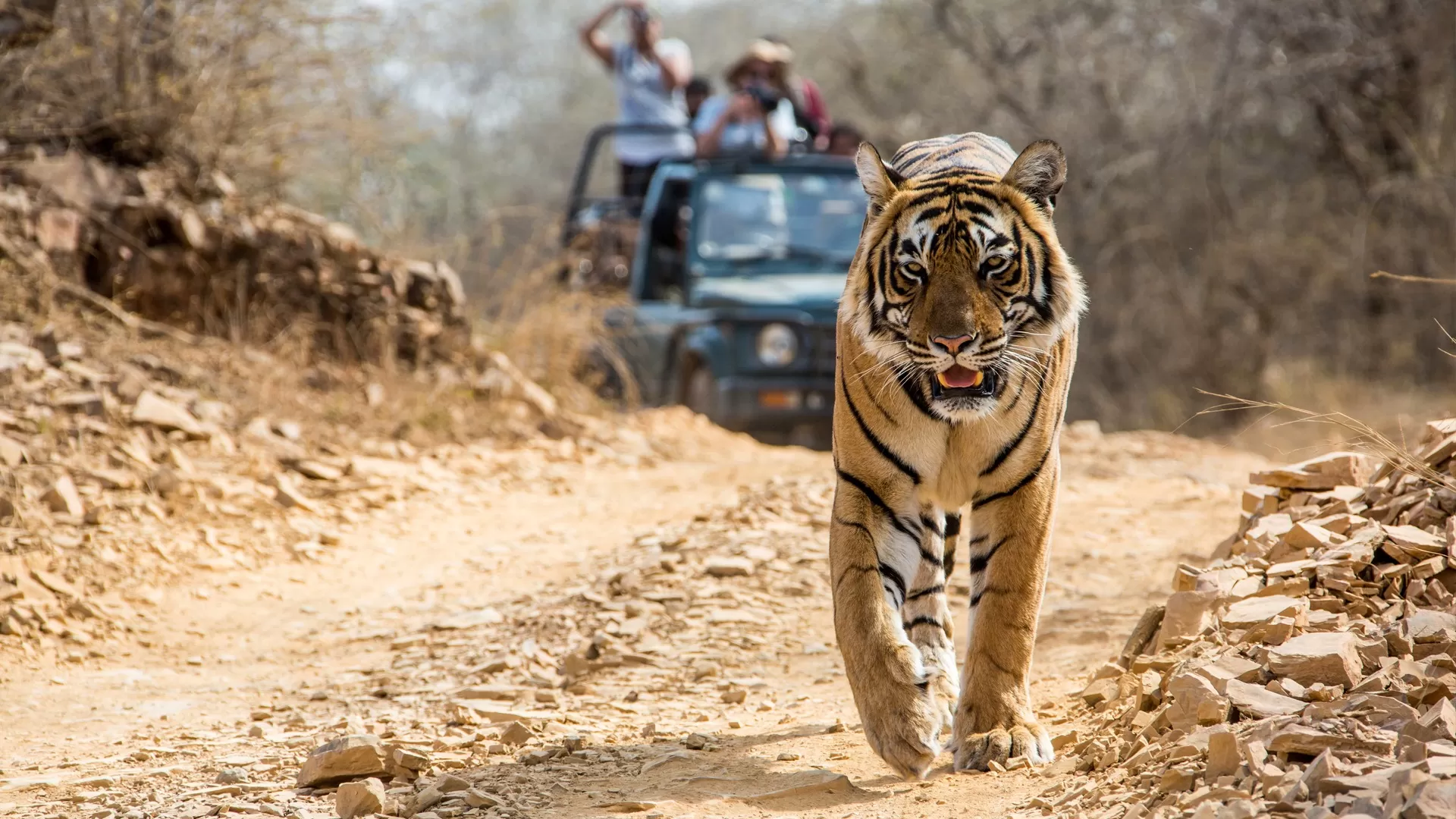
Bring reach, but not only reach. A 100-400mm or 200-600mm is the workhorse for full-body and portrait frames. A 500mm or 600mm prime helps for distant or shy cats. But keep a shorter zoom — a 24-105mm or 70-200mm — within reach too, because tigers here can emerge surprisingly close, and a wider "tiger in its forest" frame often tells a stronger story than a tight headshot.
Shoot fast and flexible. Use shutter priority or manual with auto-ISO, keep your shutter at 1/1000s or faster for a walking tiger and 1/2000s or faster for anything running or crossing water, and don't fear high ISO in the dim forest light — a sharp, slightly grainy frame always beats a clean blurred one. Back-button focus and a reliable tracking AF mode will save you when a tiger steps out with no warning.
Be ready before the animal is. Keep your card empty, your battery full, and your settings dialed for the light before the drive gets interesting. Sightings in Bandhavgarh can be brief, and the photographers who come home with the frame are the ones who were already set when it happened.
Beyond the tiger
Photography freezes what the heart refuses to forget.
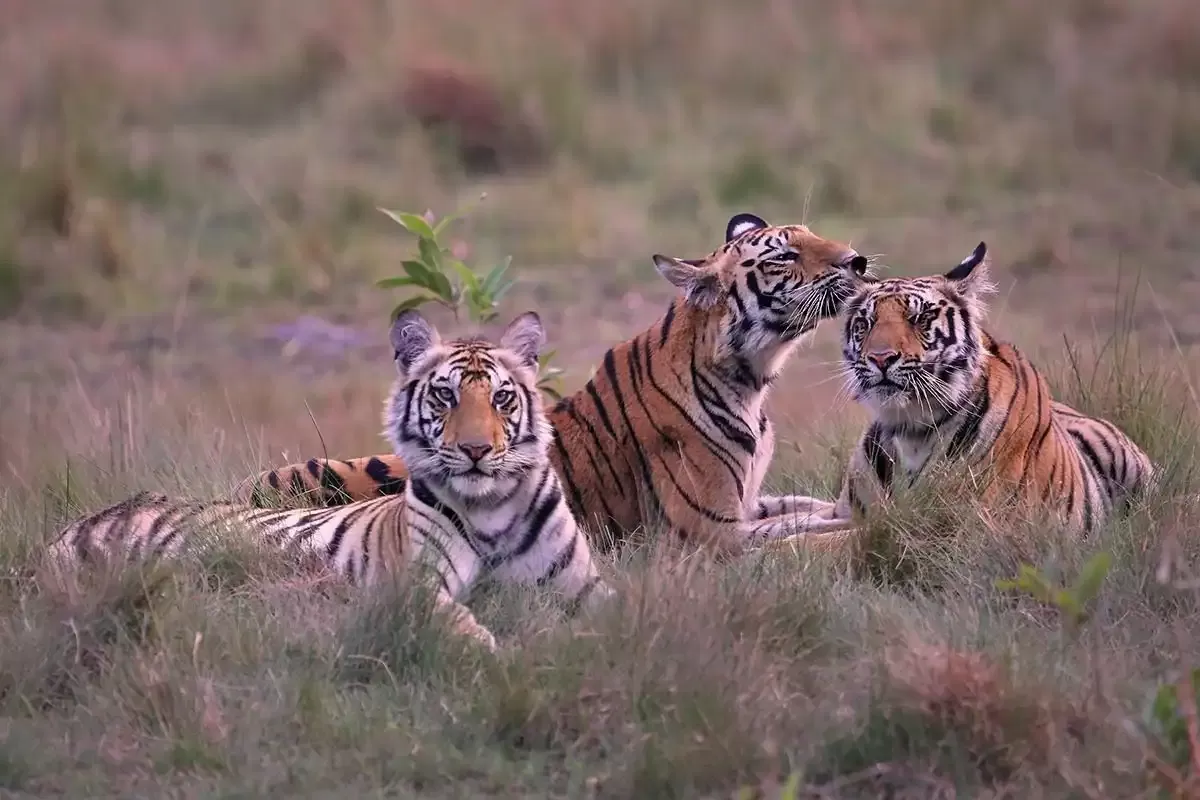
It's easy to tunnel-vision on the striped cat, but Bandhavgarh rewards a wider eye. Spotted deer and sambar in morning mist, langurs backlit in the canopy, crested serpent eagles and a rich spread of birdlife, and the sheer cinematic quality of the sal forest and meadows all make for powerful storytelling frames. Build your days around variety and you'll come home with a richer, more complete set — not just trophy shots.
Planning your trip
Bandhavgarh rewards photographers who plan around the season, secure enough safaris, and travel with people who know the zones and the light. If you want to come home with portfolio-grade tiger images rather than hoping to get lucky on a single drive, a small, photography-first trip with hands-on mentoring makes the difference — you're positioned well, you shoot enough drives to let the odds work, and you have guidance in the field and review sessions off it.
I'm planning a small-group Bandhavgarh tiger photography expedition tentatively for late October to mid November, timed for the softer post-monsoon light and comfortable conditions, kept deliberately small so everyone gets room to shoot and personal mentoring throughout. If Bandhavgarh and India's tigers are on your list, get in touch to register your interest early — small-group spots are limited, and I'll share dates and details as they firm up.
Photography freezes what the heart refuses to forget.
Photograph This in the Wild
Ready to capture these moments yourself? Explore the destinations featured in this story and join a small-group photography expedition led by Sreejith.
Written by Sreejith
Exploring landscapes, wildlife, and untold stories through the lens.