Spot and photograph Africa's iconic Big Five - lion, leopard, elephant, rhino and buffalo - with this field guide to gear, light, behaviour and the best Kenya and Masai Mara seasons.
Africa is a dream destination for wildlife photographers - vast savannahs, dramatic light, and raw encounters with some of the most powerful animals on Earth. Among all subjects, the legendary Big Five - lion, leopard, elephant, rhino and buffalo - remain the ultimate challenge and reward. Kenya's
Masai Mara is one of the finest places on the continent to photograph all five.
Capturing these animals is not just about luck. It takes preparation, patience and a strong understanding of light, composition and behaviour. Before lifting your camera, learn the habits of each species so you can anticipate movement rather than react to it.
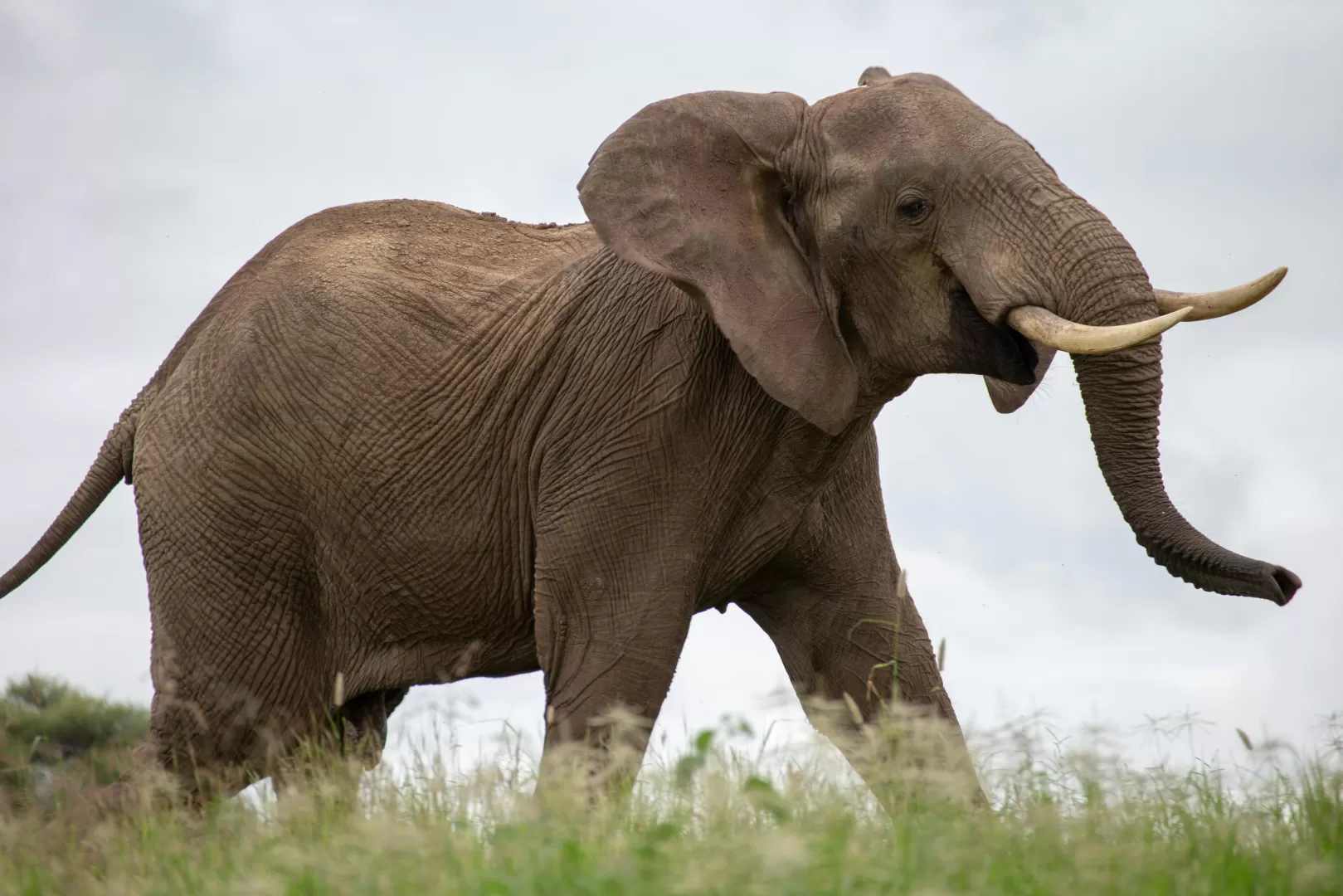
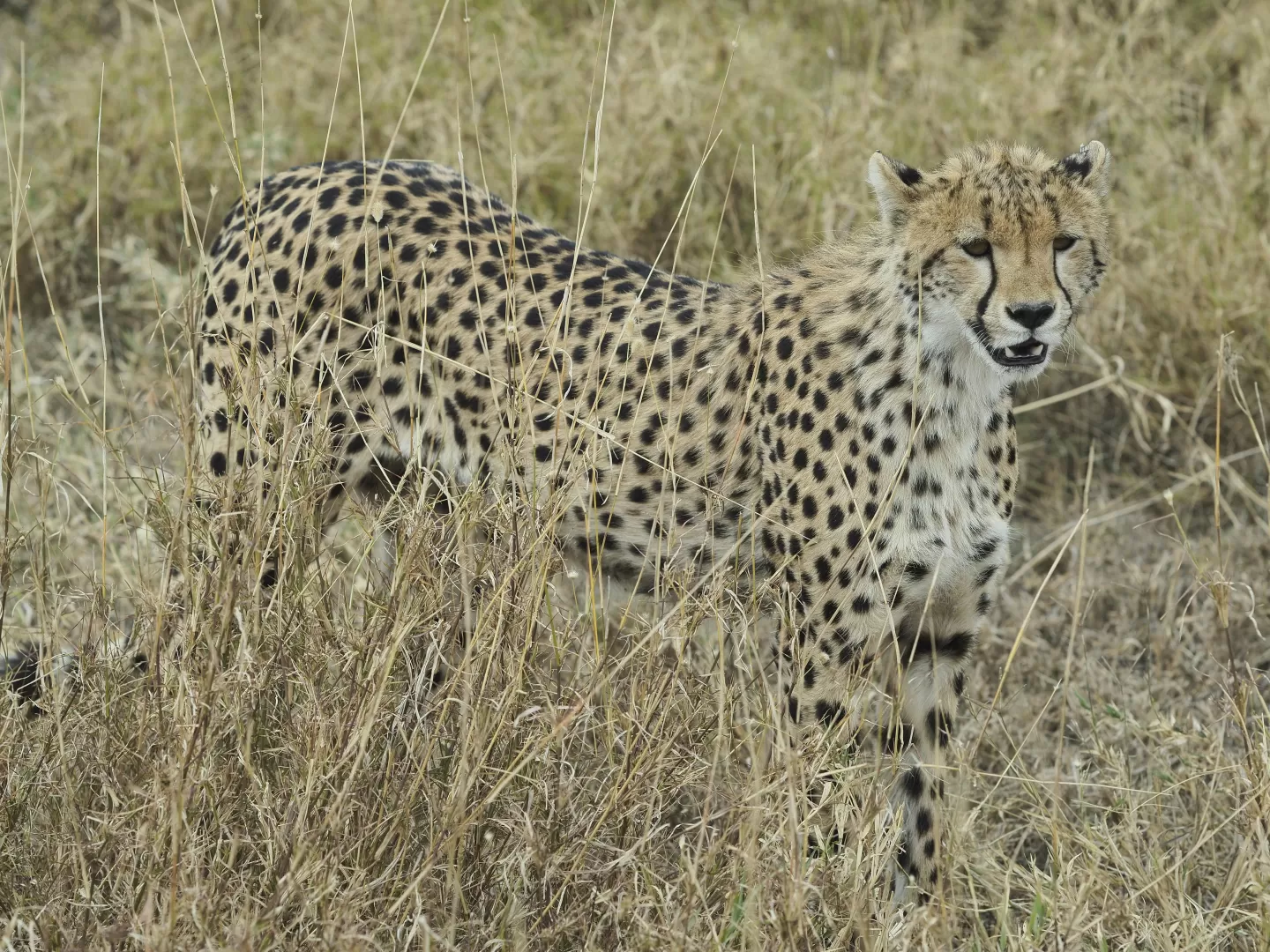
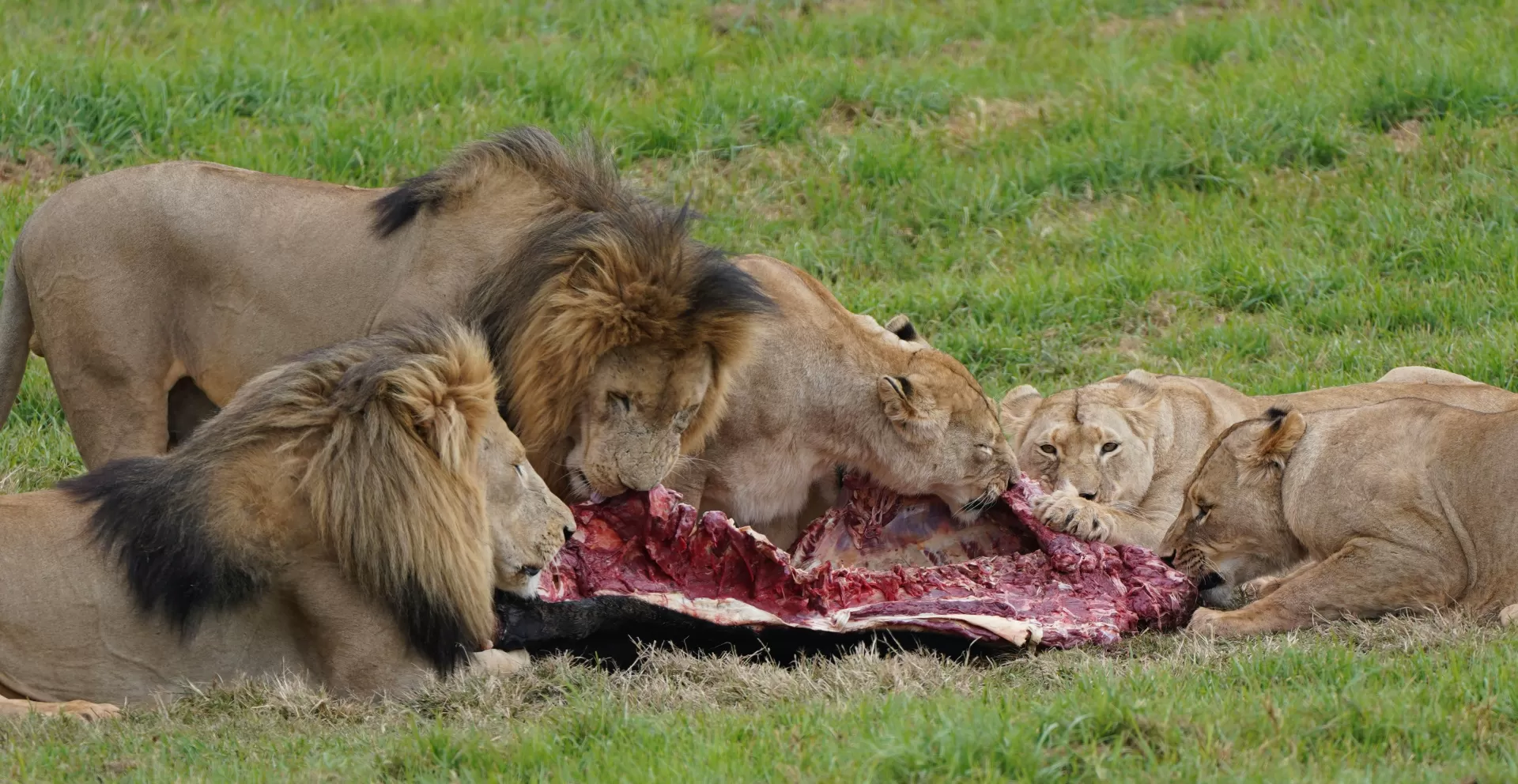
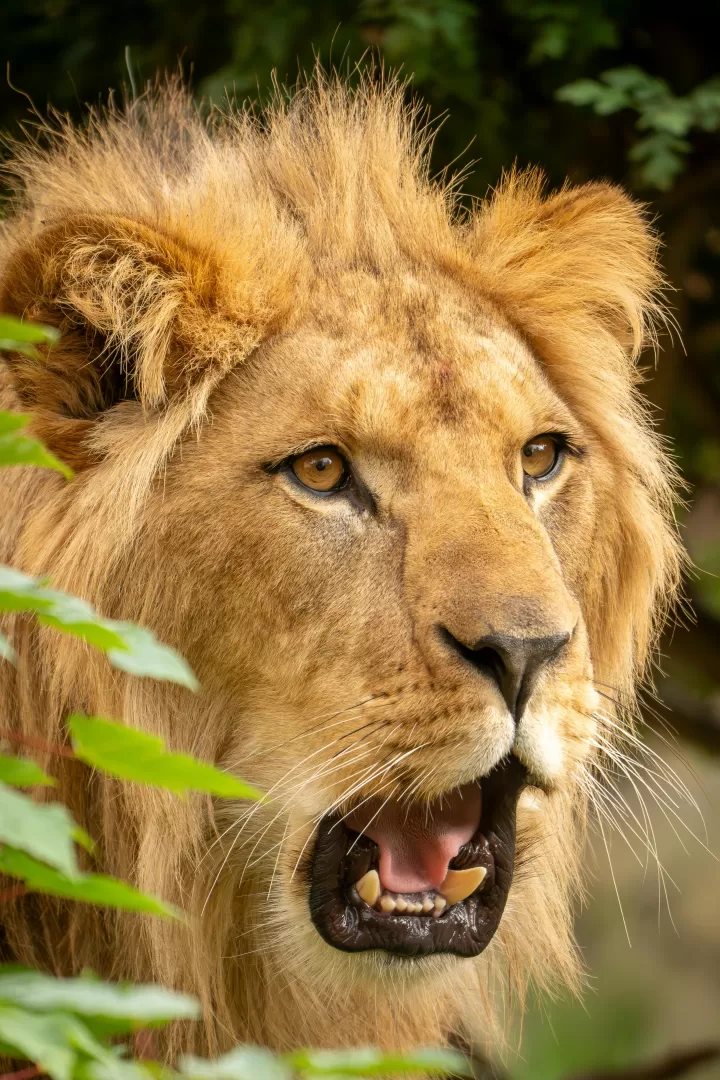
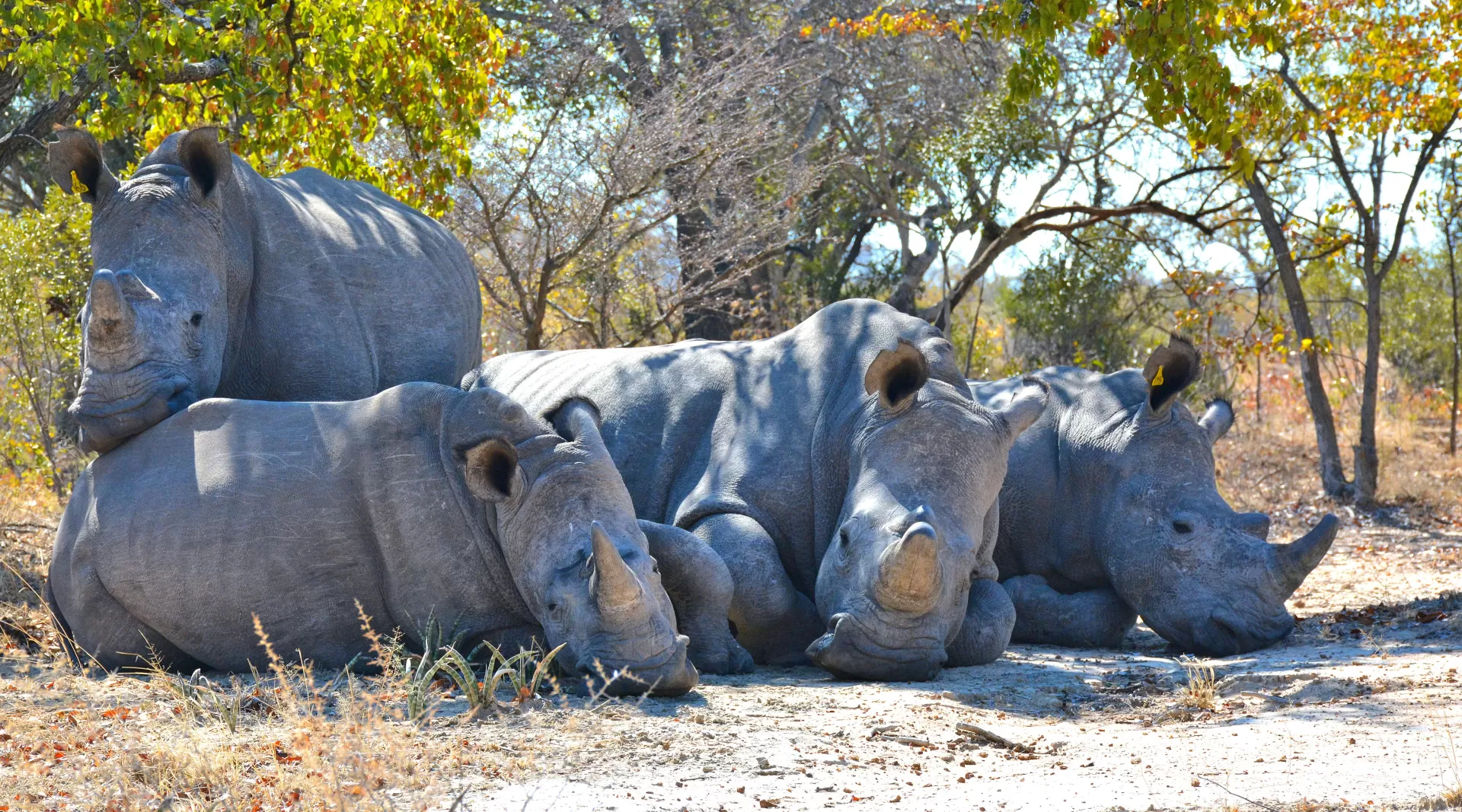
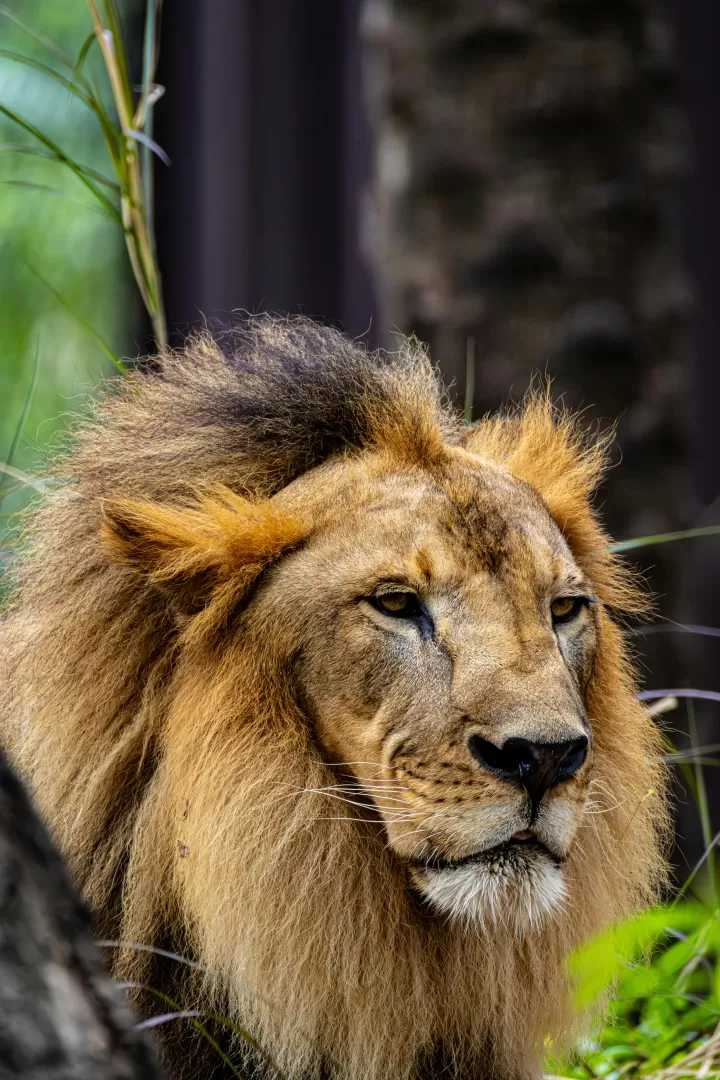
Lions are most active in early mornings and late evenings - watch for grooming, yawning and hunting behaviour. Leopards are elusive and often rest in trees during the day, rewarding patience. Elephants are wonderfully expressive and offer storytelling through their interactions. Rhinos demand respect, distance and long lenses. Buffalo move in herds and create powerful group compositions in dramatic light.
You do not need the most expensive camera, but the right gear helps. A telephoto lens of 100-600mm is essential for close detail from a safe distance, a fast-focusing body helps track moving animals, and a bean bag or monopod stabilises shots from a safari vehicle. Carry extra batteries, plenty of cards and dust protection.
Photography freezes what the heart refuses to forget.
Light is everything. Golden hour delivers soft, warm tones and long shadows, midday harshness suits high-contrast black-and-white frames, and backlight against dust or mist creates unforgettable silhouettes. Positioning your vehicle relative to the sun can completely transform an image.
Composition turns documentation into storytelling. Use the rule of thirds, leave space in the direction the animal is moving, and seek eye contact for emotional connection. Include the landscape to show scale, and try low angles to make animals appear majestic.
Above all, wildlife photography is a waiting game. The most iconic frames often come after long observation - a lion cub resting on its mother, an elephant walking through morning fog. Respect for animals must always come first: keep safe distances, avoid sudden noise, never bait, and follow park rules.
The Masai Mara's peak season runs from July to October, when the Great Migration brings dramatic river crossings and concentrated predator activity. Timing a Kenya safari to these months stacks the odds of a Big Five encounter firmly in your favour.
Photography freezes what the heart refuses to forget.
Photograph This in the Wild
Ready to capture these moments yourself? Explore the destinations featured in this story and join a small-group photography expedition led by Sreejith.
Written by Sreejith
Exploring landscapes, wildlife, and untold stories through the lens.