A comprehensive guide to spotting and photographing Africa's iconic Big Five animals without disturbing their habitat.
Chasing the Big Five: How to Photograph Africa’s Wildlife
Africa is a dream destination for wildlife photographers — vast savannahs, dramatic landscapes, and raw encounters with some of the most powerful animals on Earth. Among all subjects, the legendary Big Five — Lion, Leopard, Elephant, Rhino, and Buffalo — stand as the ultimate challenge and reward for any photographer.
But capturing these magnificent animals isn’t just about luck. It requires preparation, patience, respect for wildlife, and a strong understanding of light, composition, and behaviour. Whether you’re heading to Kenya’s Maasai Mara, Tanzania’s Serengeti, or South Africa’s Kruger National Park, this guide will help you photograph Africa’s wildlife with confidence and creativity.
Understanding the Big Five Before You Shoot
Before even lifting your camera, take time to learn the habits and behaviour of each animal. Wildlife photography becomes significantly easier when you can anticipate movement rather than react to it.
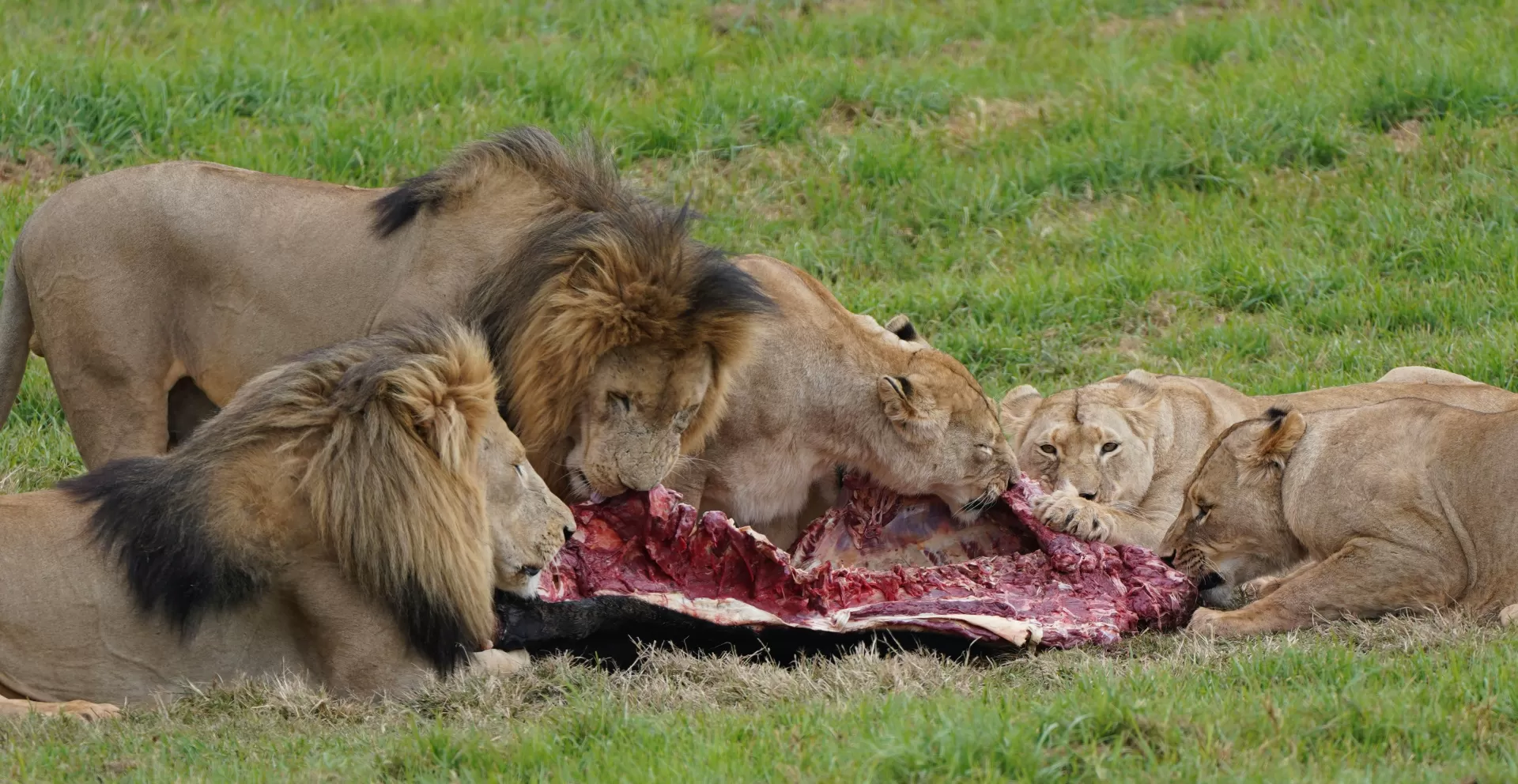
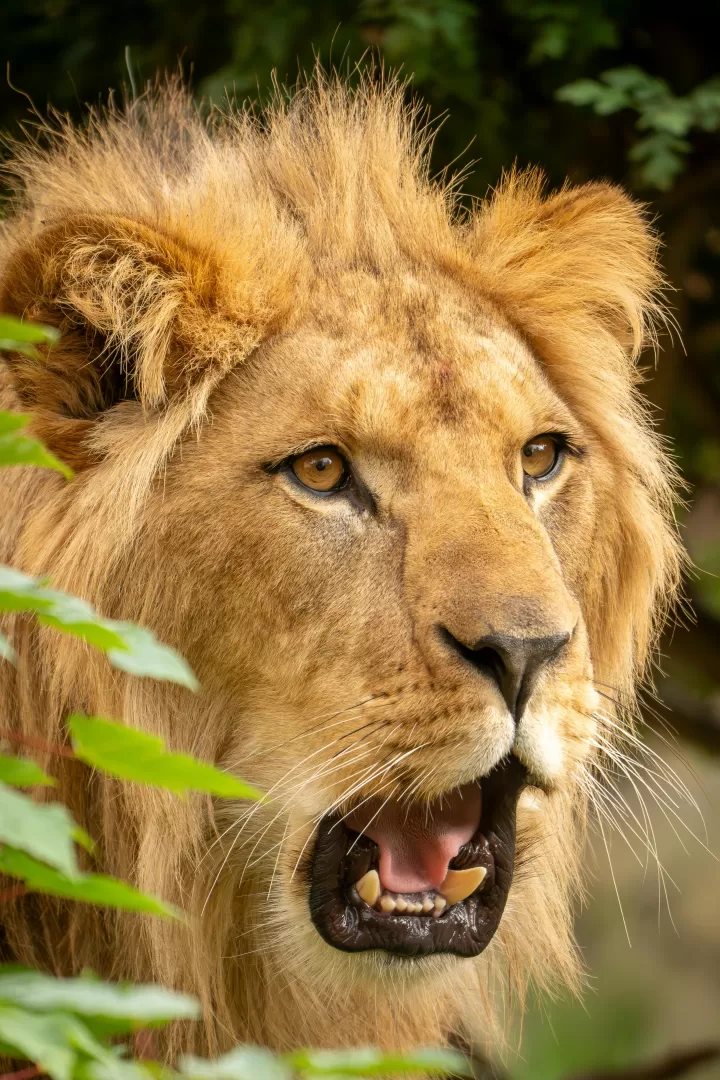
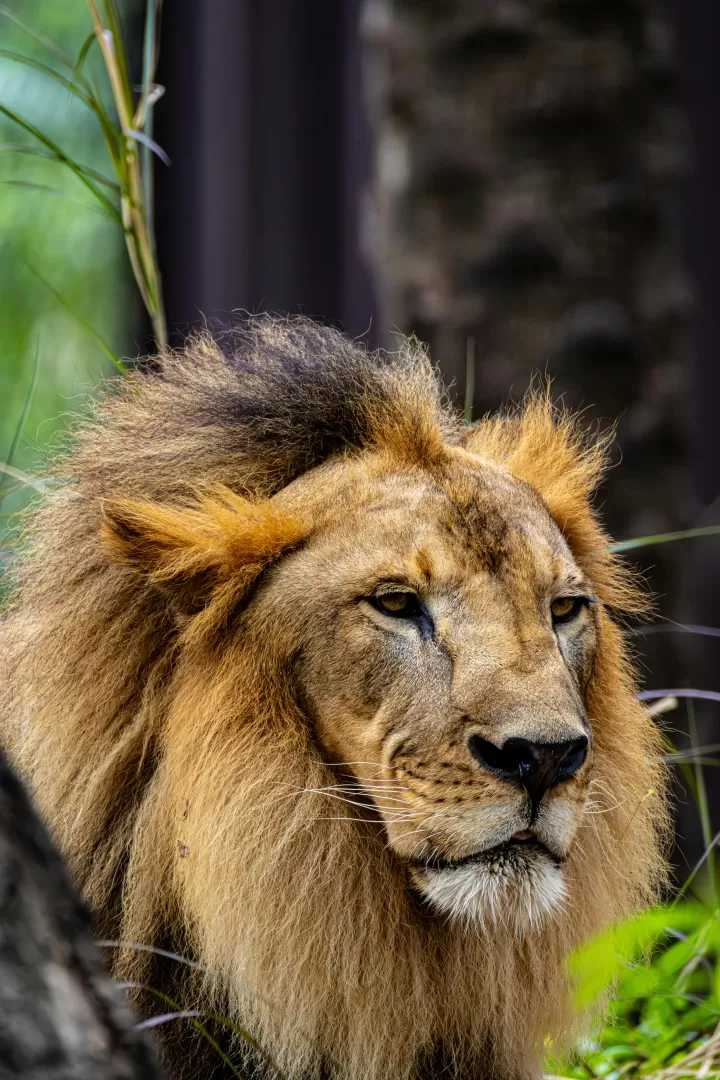
Lions are often active during early mornings and late evenings. Look for moments of interaction — grooming, yawning, or hunting behaviour.
Leopards are elusive and often rest on trees during the day. Patience and a keen eye are essential.
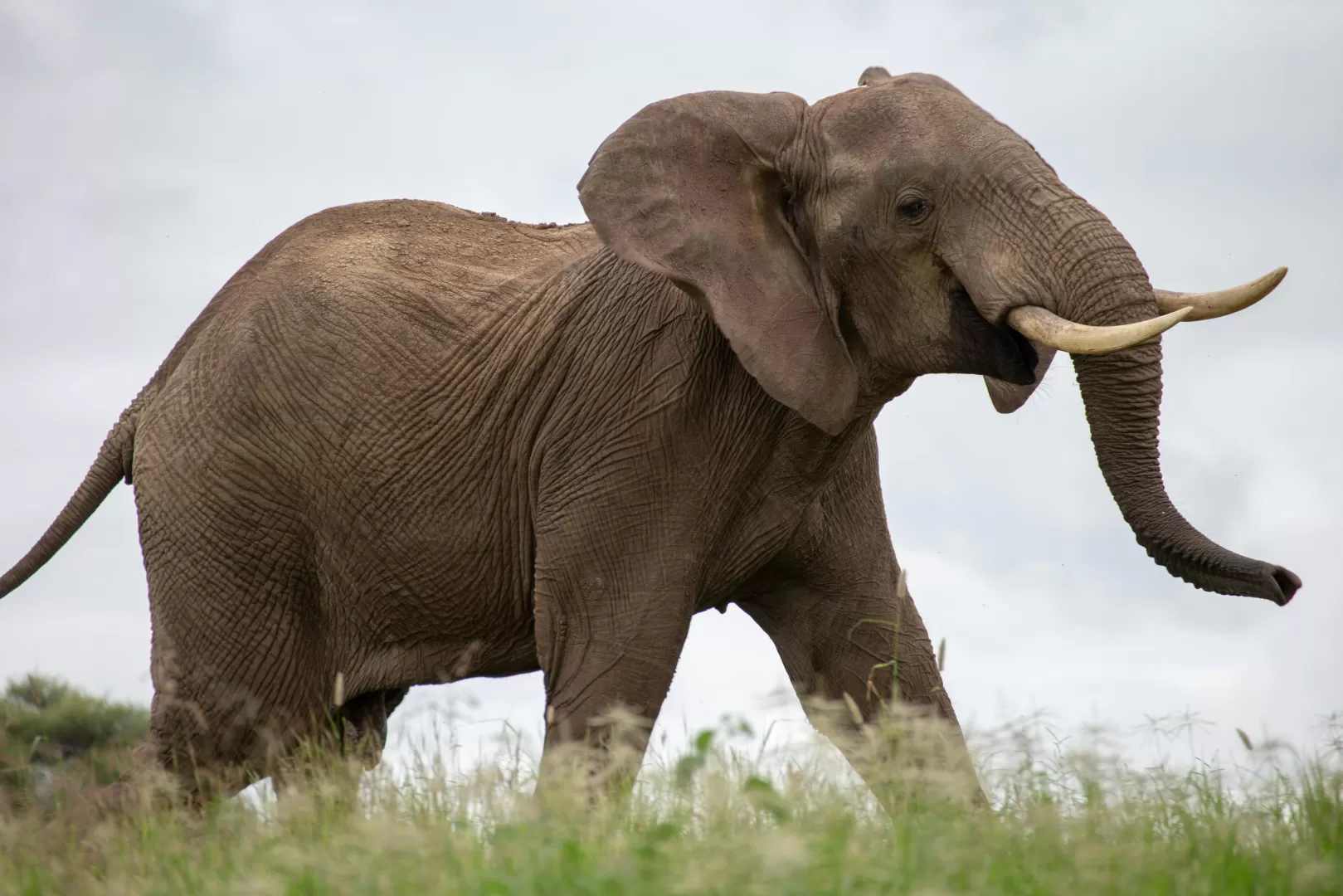
Elephants are highly expressive and offer incredible storytelling opportunities through their interactions and emotions.
Photography freezes what the heart refuses to forget.
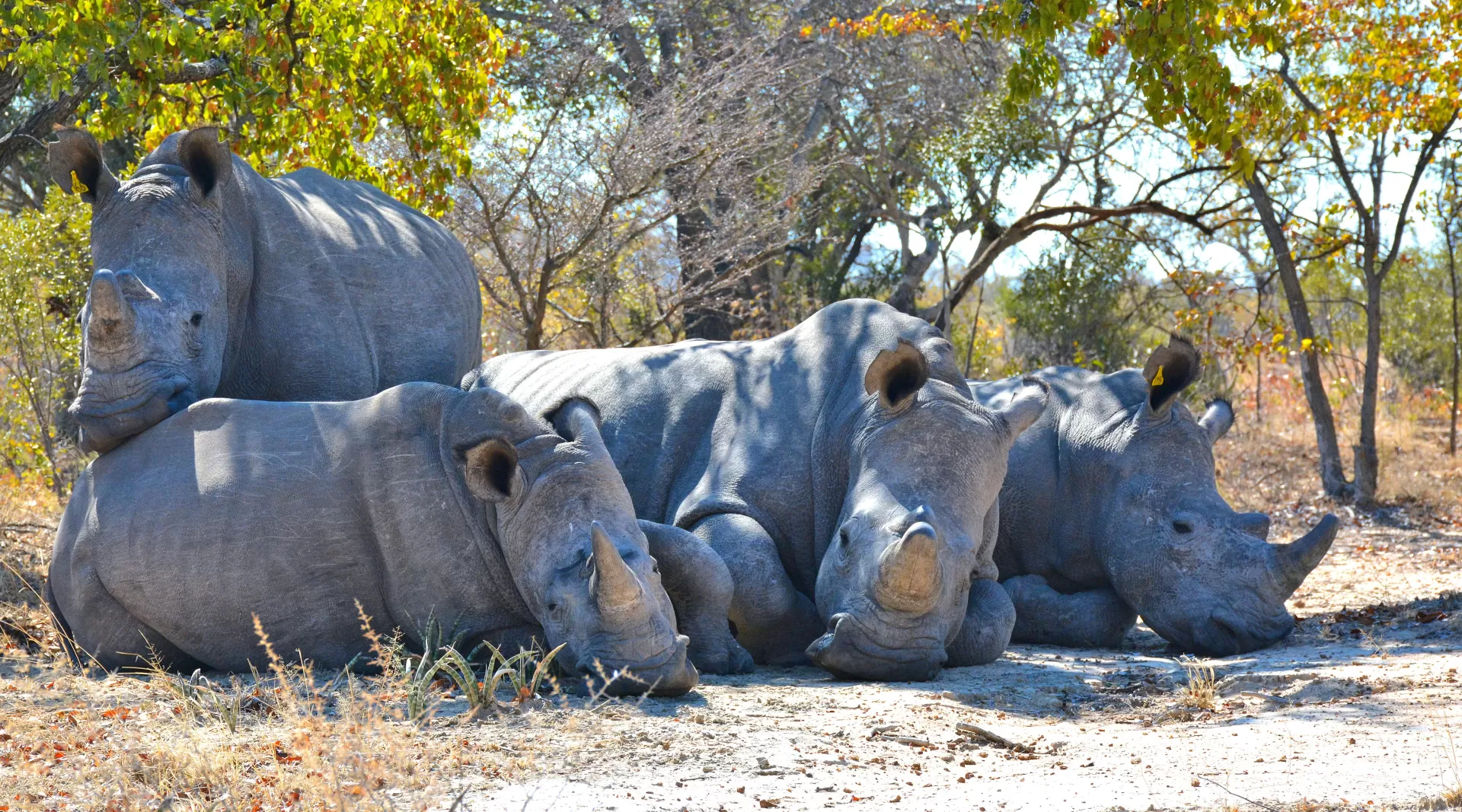
Rhinos demand respect and distance — capturing them requires careful framing and long lenses.
Buffalo move in herds and create powerful compositions when photographed in groups, especially during dramatic lighting.
Understanding behaviour doesn’t just improve your photos — it also ensures ethical and safe wildlife encounters.
Choosing the Right Gear for Safari Photography
You don’t need the most expensive camera to capture incredible wildlife moments, but the right equipment can make a big difference.
A telephoto lens (100–600mm) is essential for capturing close-up details from a safe distance.
A fast camera body with good autofocus helps track moving animals.
Bring a bean bag or monopod for stability in safari vehicles.
Carry extra batteries and memory cards — you’ll shoot more than you expect.
Dust protection is crucial; safaris can be harsh environments for gear.
If you can carry two camera bodies, keep one with a wide lens for environmental shots and landscapes.
Mastering Light in the African Wilderness
Light is everything in photography, and Africa offers some of the most beautiful natural lighting conditions in the world.
Golden hour (sunrise and sunset) provides soft, warm tones and dramatic shadows.
Midday light can be harsh — use it creatively for high-contrast black and white shots.
Backlighting can create stunning silhouettes of elephants or buffalo against dusty horizons.
Watch for dust clouds, rainstorms, or mist — these natural elements add mood and depth.
Positioning your vehicle relative to the sun can completely transform your images.
Composition Techniques That Elevate Your Wildlife Shots
Great wildlife photography is about storytelling, not just documentation.
Use the rule of thirds to create balanced compositions.
Leave space in the direction the animal is moving.
Capture eye contact whenever possible — it creates a powerful emotional connection.
Include the surrounding landscape to show scale and environment.
Experiment with low angles to make animals appear more majestic and dominant.
Instead of always zooming in tight, sometimes step back and let the environment tell the story.

Photography freezes what the heart refuses to forget.
Patience: The Real Secret Behind Great Wildlife Photography
Many beginners expect constant action, but the truth is that wildlife photography is a waiting game. The most iconic shots often happen after long periods of observation.
Stay ready. Watch body language. Anticipate moments rather than chasing them. Sometimes, the quietest moments — a lion cub resting on its mother or an elephant walking through morning fog — become the most powerful images.
Ethical Wildlife Photography Matters
Respect for animals and nature must always come first.
Maintain safe distances and never pressure guides to get closer.
Avoid loud noises or sudden movements.
Do not bait or disturb animals for a shot.
Follow park rules and conservation guidelines.
Responsible photography helps protect the very wildlife we aim to celebrate.
Final Thoughts
Photographing Africa’s Big Five is more than a bucket-list experience — it’s a journey into one of the world’s most breathtaking natural environments. With the right preparation, patience, and respect for wildlife, every safari becomes an opportunity to create meaningful images that tell powerful stories.
Remember, the best photographs don’t just show animals — they capture emotion, atmosphere, and the wild spirit of Africa itself.
Captured & Written by Sreejith
Exploring landscapes, wildlife, and untold stories through the lens.