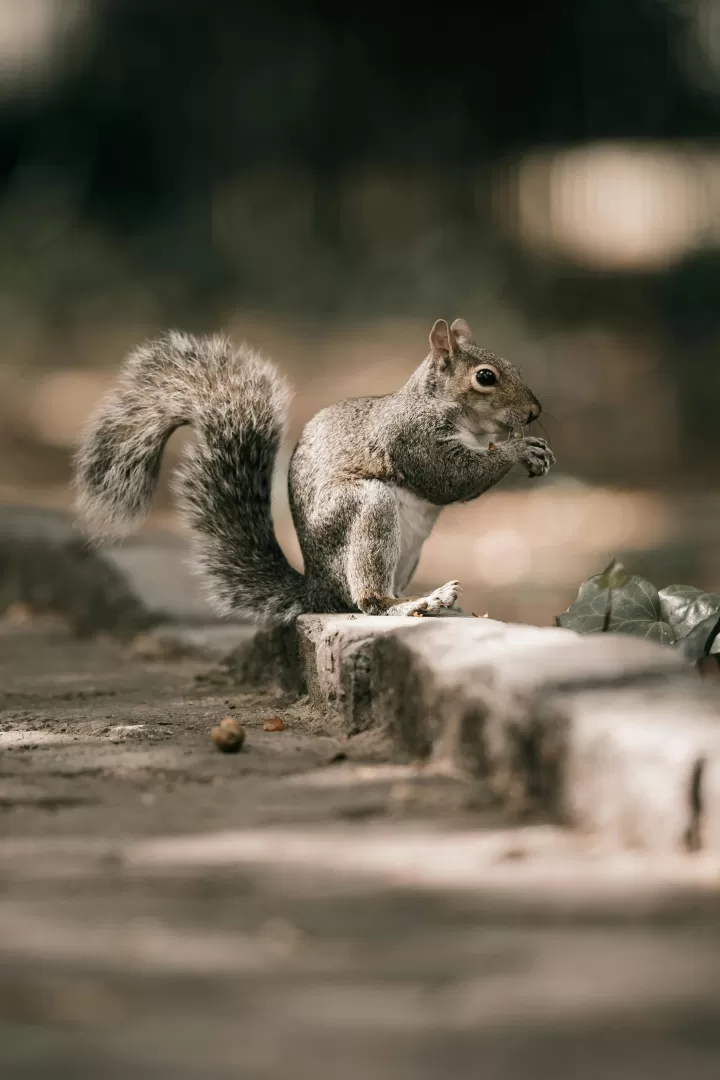
Master dawn, dusk and night wildlife photography with practical camera settings, gear tips and focusing techniques for capturing sharp, dramatic images when the light runs out.
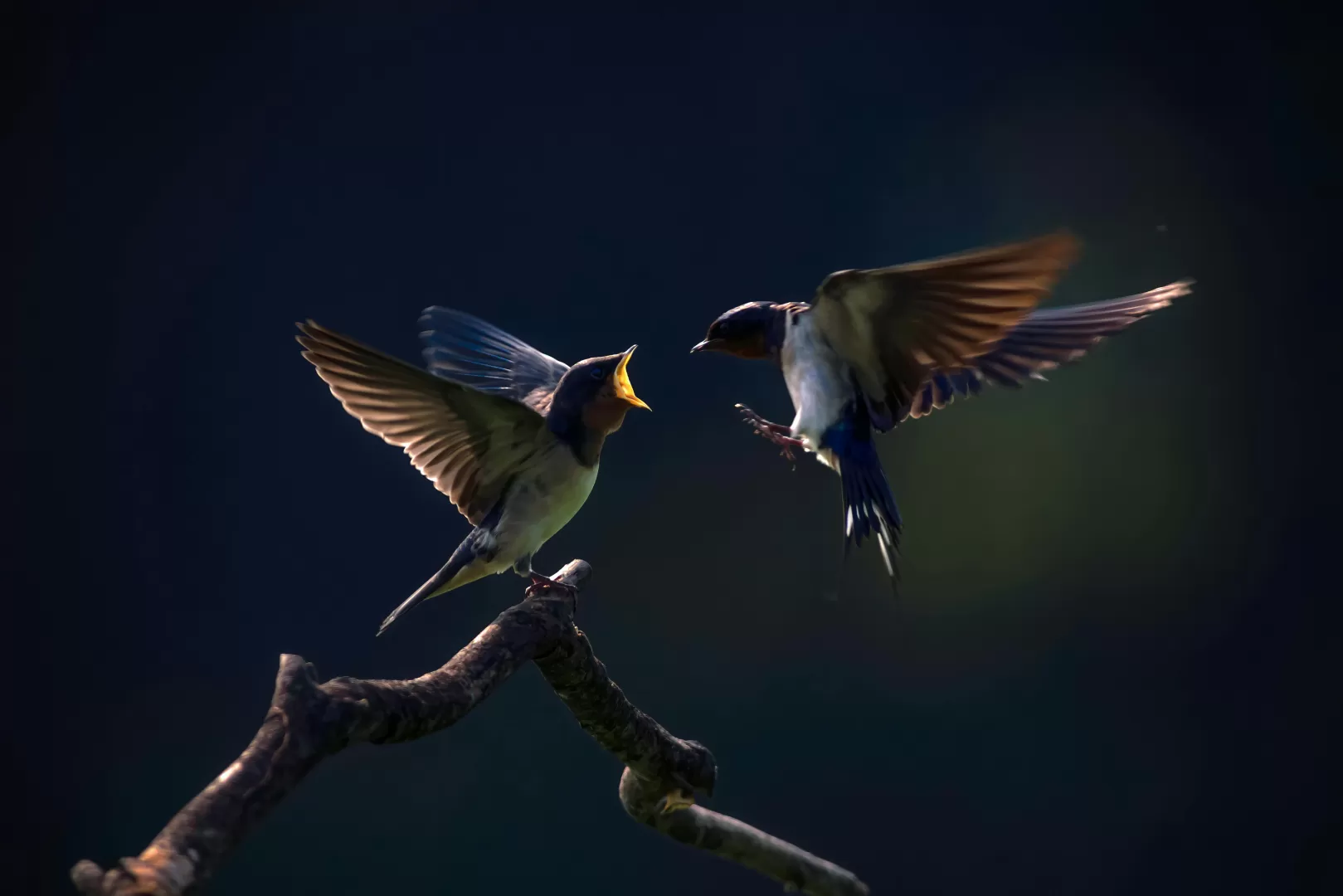
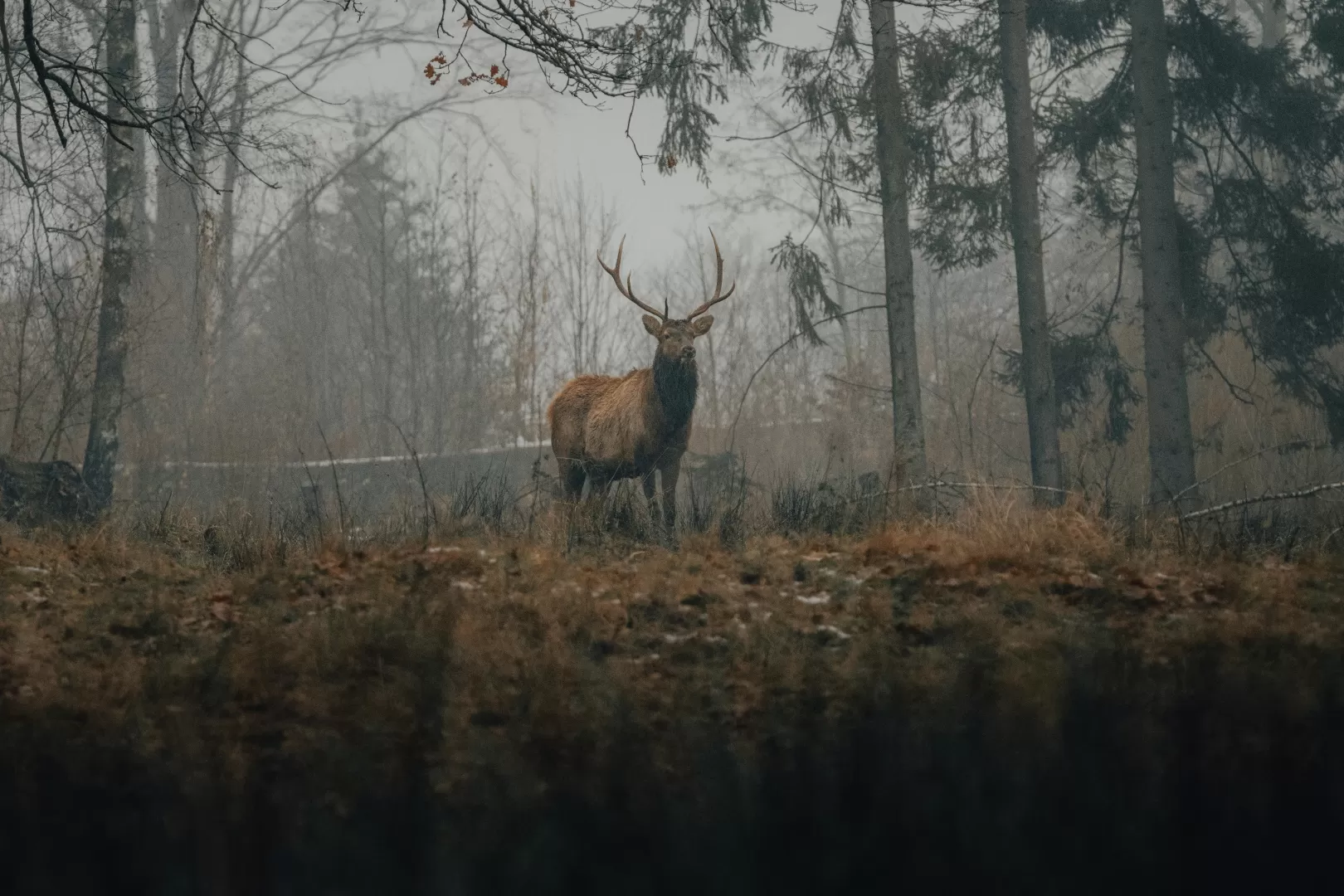
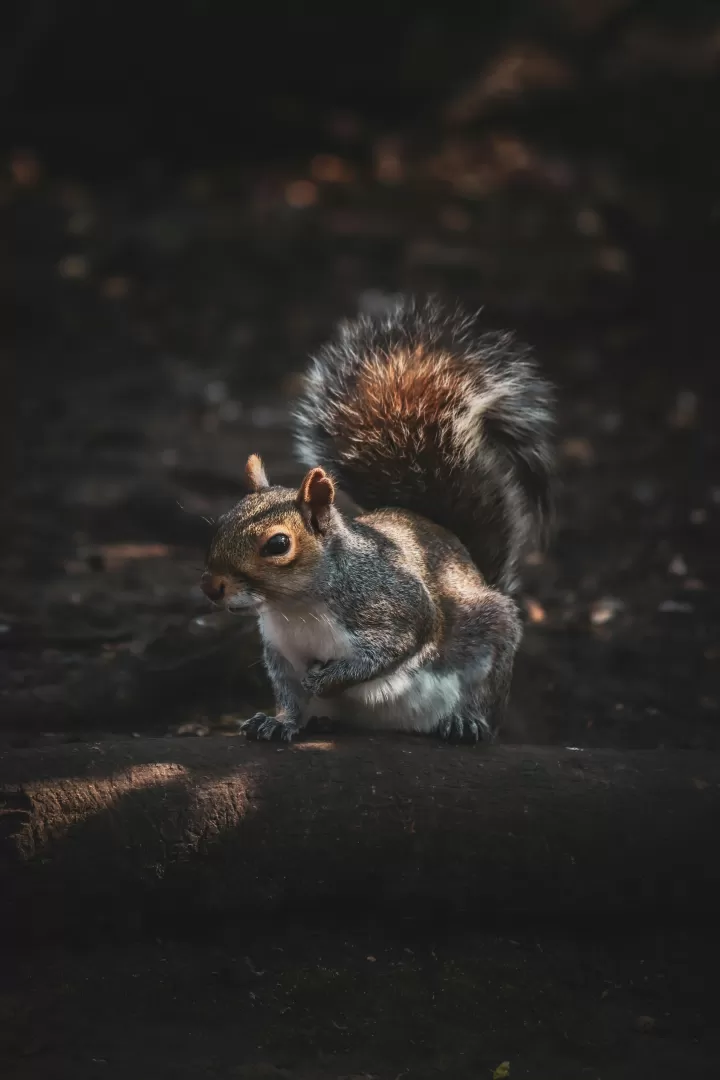
Wildlife does not follow perfect lighting schedules. Many of the most magical encounters happen at dawn, dusk or after dark, when light is limited but the atmosphere is incredible. Low light photography is challenging, but done right it produces some of the most dramatic and emotional images in your portfolio.
Low light brings slower shutter speeds, more noise and harder focusing - and animals rarely stay still. Rather than fighting the conditions, adapt your settings and anticipate movement to capture sharp, usable frames.
Your settings matter most. Use a wide aperture to gather light and create beautiful background blur, raise ISO carefully to hold exposure while managing noise, and keep shutter speed fast enough to freeze motion. Shoot RAW so you can recover detail later, and consider Auto ISO with a minimum shutter speed to react quickly to changing behaviour.
Gear helps too. Fast telephoto lenses at f/2.8 or f/4 perform better in the dark, bodies with strong low-light autofocus track subjects more reliably, and a monopod or bean bag reduces shake during long waits. Silent shooting is invaluable around sensitive or nocturnal animals.
Photography freezes what the heart refuses to forget.
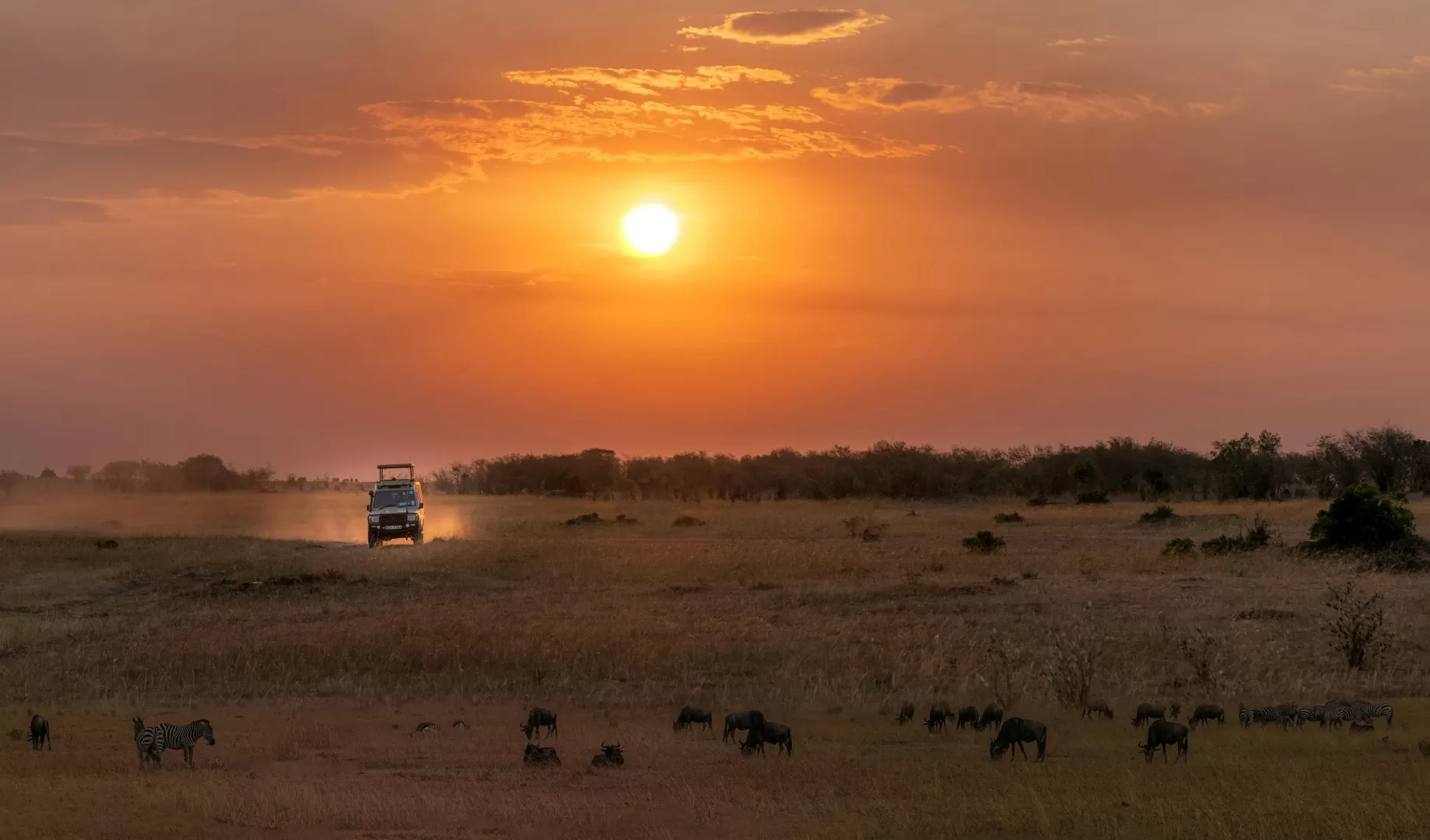
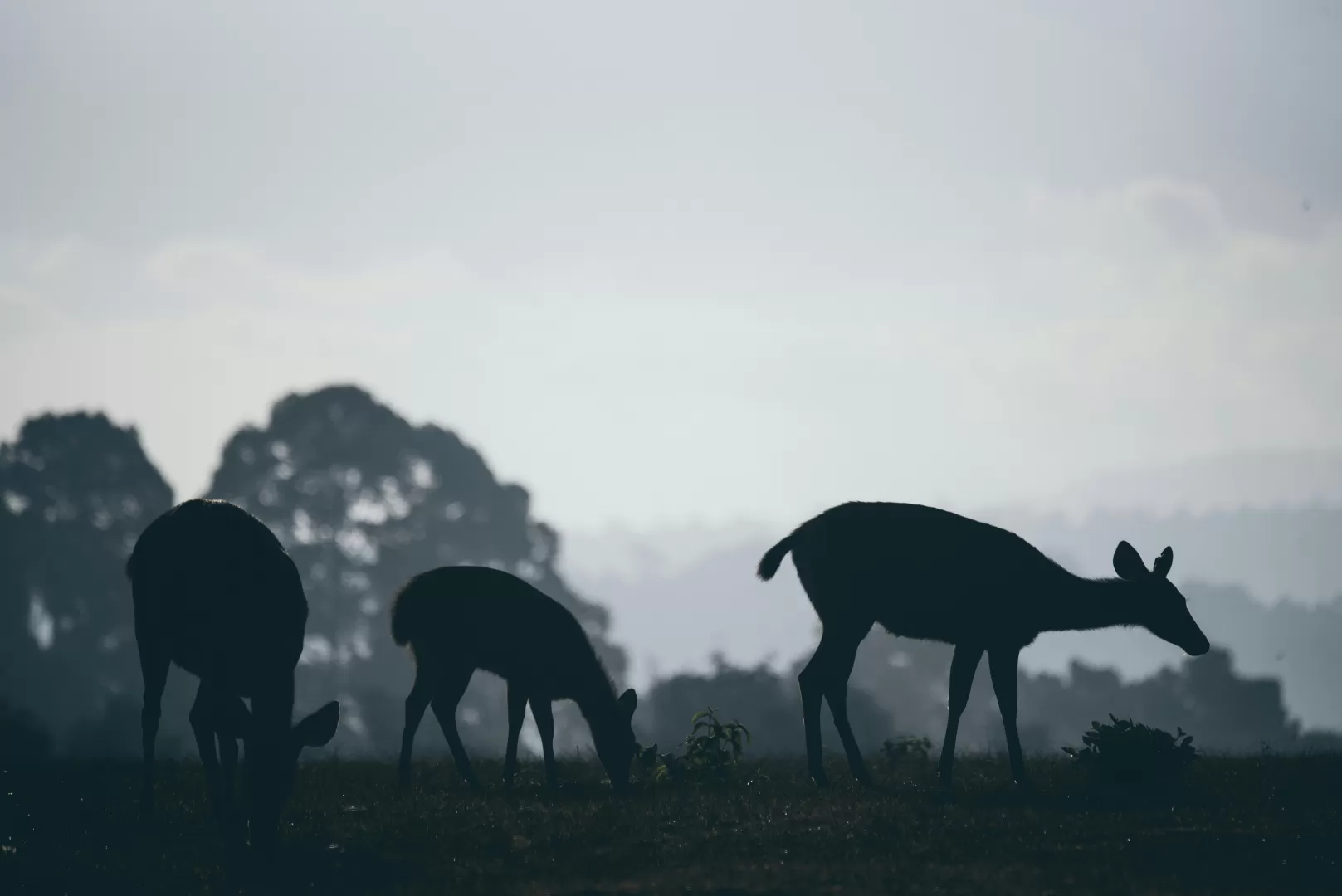
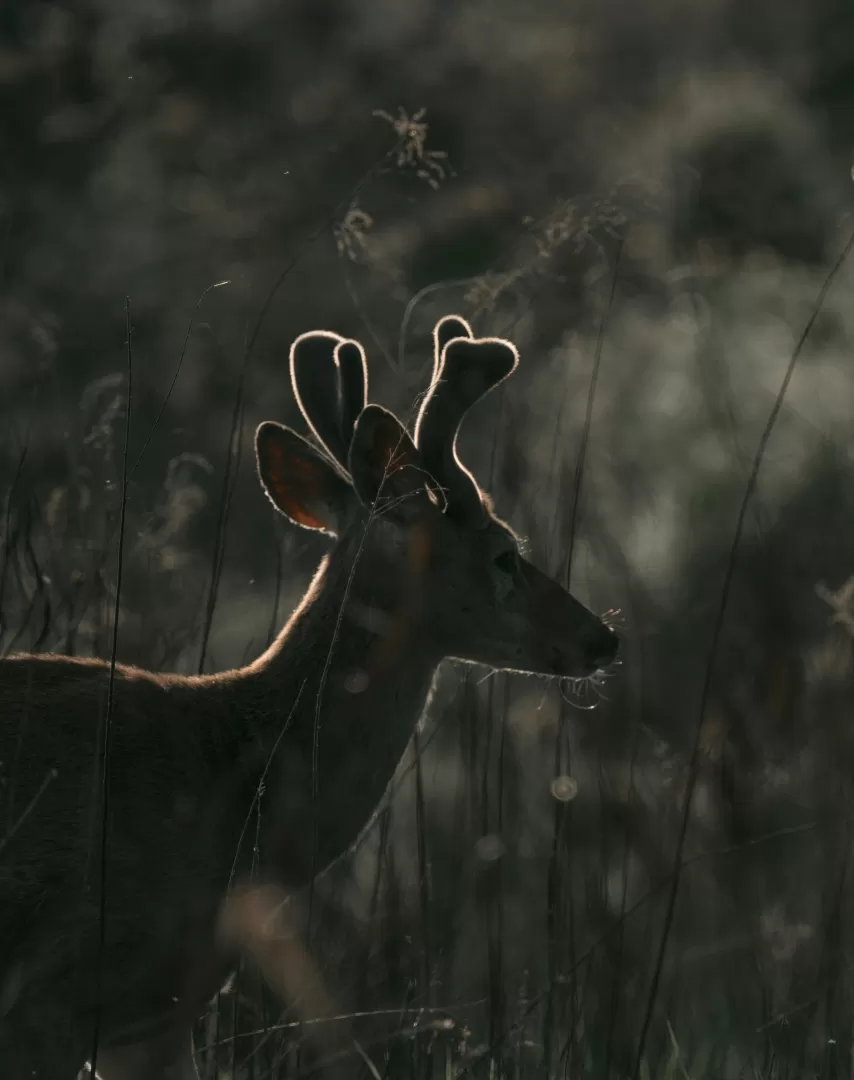
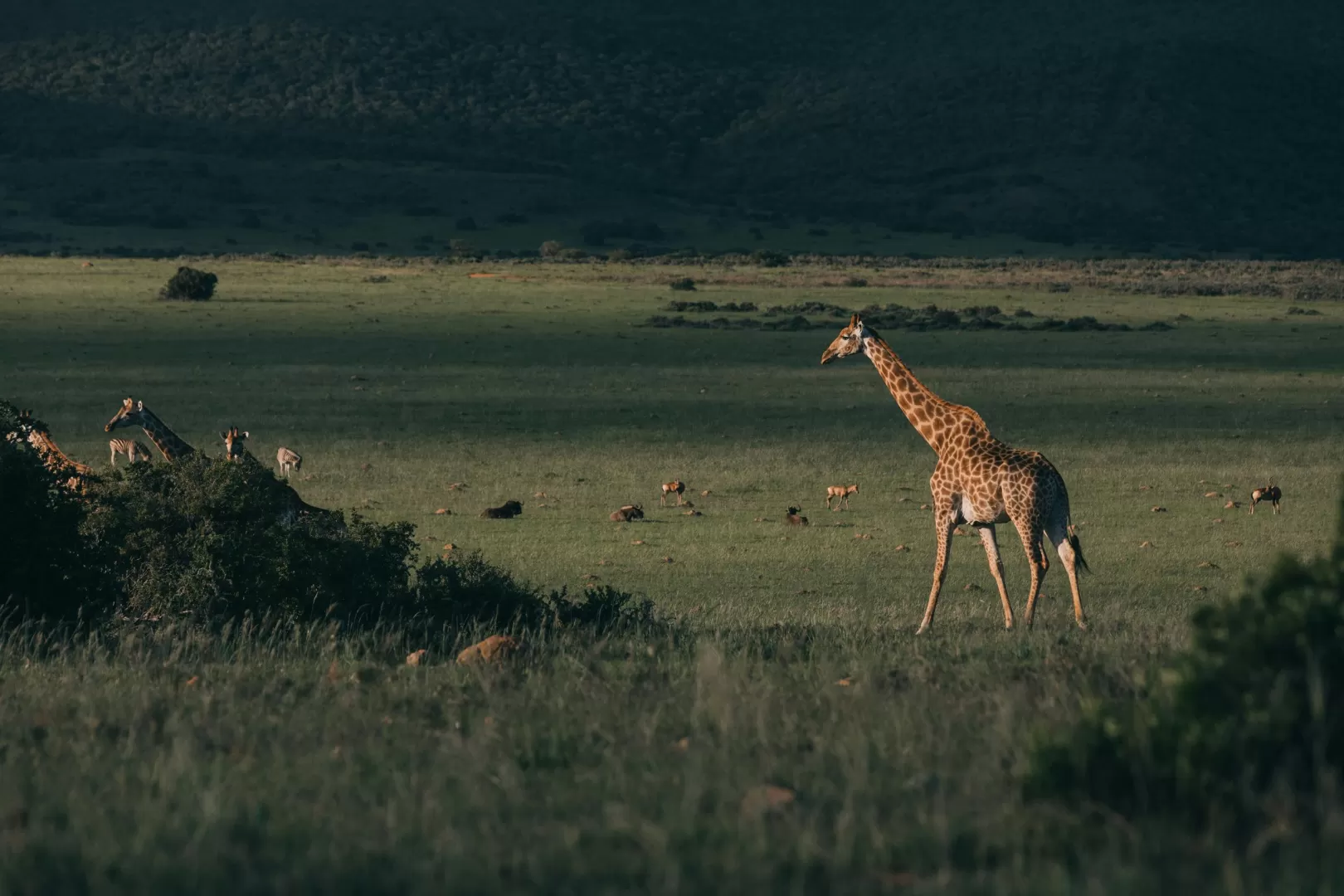
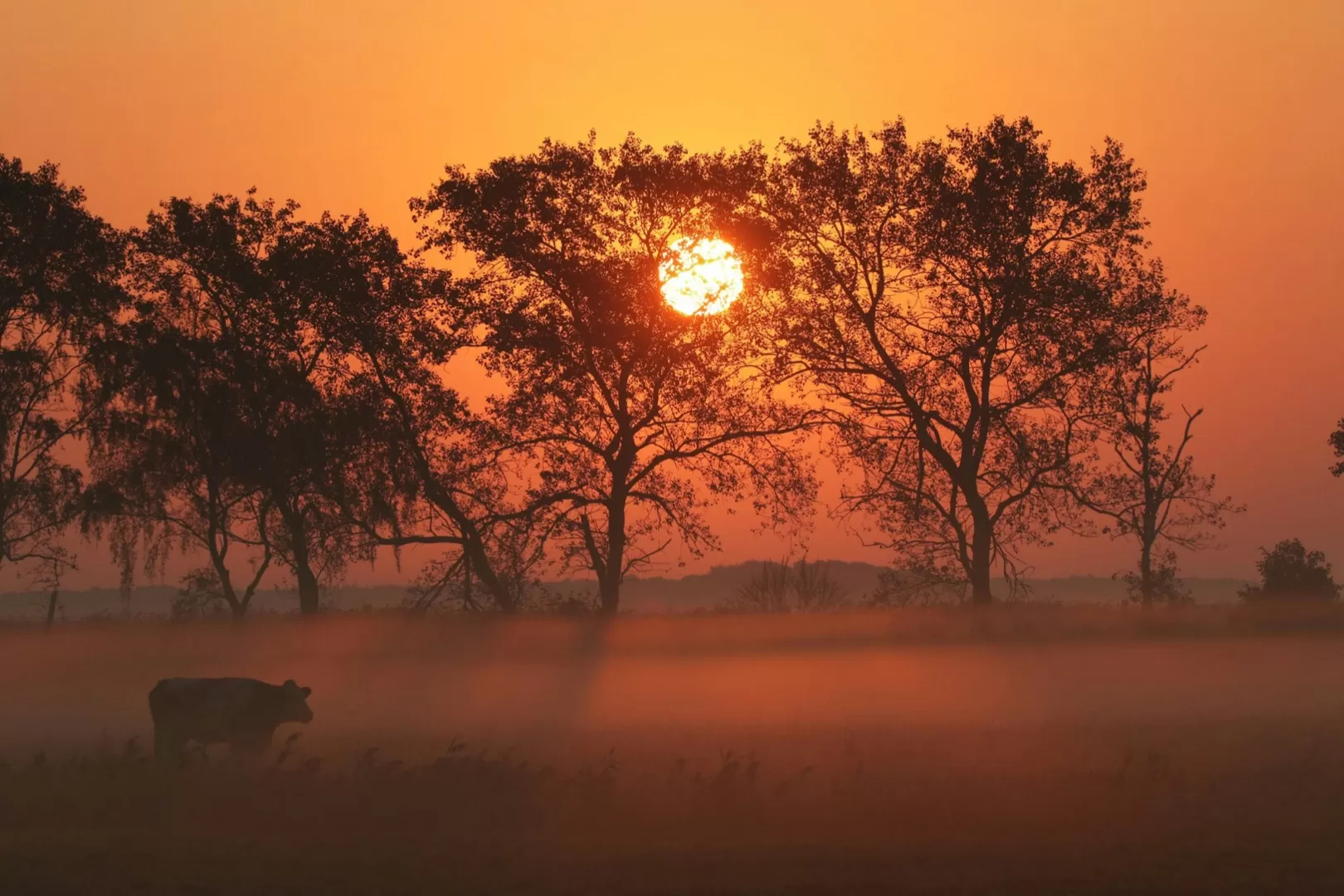
Low light does not mean poor light. Sunrise and sunset often deliver the most beautiful tones - let light fall softly across the animal's face, use silhouettes against bright skies, and watch how backlight combined with dust or mist creates real drama.
Focusing is harder in the dark. Use single-point autofocus for accuracy, lock onto the eyes, pre-focus where you expect movement, and use continuous modes to track motion. Higher ISO is often necessary; expose properly rather than underexposing, since dark frames reveal more noise in editing, and modern software cleans grain well while keeping detail.
Low light often coincides with active hunting hours and nocturnal behaviour, so ethics matter. Avoid strong flashes, keep safe distances, and follow your guide. Some of the most memorable wildlife moments happen as the light fades - and with the right approach, those moments become extraordinary photographs.
These conditions are exactly where guided field time pays off: an experienced mentor puts you in position before the light turns, so you are ready when it does.
Photography freezes what the heart refuses to forget.
Photograph This in the Wild
Ready to put these techniques into practice? Join a small-group wildlife photography expedition led by Sreejith.
Written by Sreejith
Exploring landscapes, wildlife, and untold stories through the lens.